Published By : Admin |
February 14, 2014 | 10:40 IST
Share
Ladies and Gentlemen!
It is a matter of great pleasure for me to address the India Leadership Forum of NASSCOM. I would have been happy to come there personally. But for want of time, I could not make it. But your technology has enabled me to reach to you. I have also received a number of questions from you. I will try to cover them in my talk itself.
Let me congratulate NASSCOM on completing 25 years of its fruitful activities. The India Leadership Forum has been organized at a time when the whole country is thinking of the roadmap for speedy and all-round development of India. We are faced with demographic, fiscal and technological challenges. However, I have always believed that these challenges can be converted into golden opportunities. We can, we should and we will put the country on the road to faster and inclusive development. Information Technology can be a great enabler in this process. I hope and wish that your deliberations will show us the way.
Friends! We are one of the youngest nations in the world. Nearly 65% of our population is below the age of 35 years. Just imagine the energy and potential of this Talent Pool. It can write a new history for our Nation. In fact for the whole world. We just need to empower our youth with skills so that they can ensure their own development and growth of India. NASSCOM can play a very big role in this process. Our IT industry and IT manpower have enhanced the image of the country in the world. Now, it is time the IT revolution takes place in India.
NASSCOM, as the leader of the Industry should engage actively in this process. This can be done as your CSR activity. We have all the basics available. We have 85 crore mobile phones in the country. Almost one fourth of the population is already connected with internet. However, people don’t have the necessary applications or knowledge which can help in their day-to-day life. If you make IT work in people’s lives, the market size of your industry goes up automatically. To start this process, training in the field of ICT is a major requirement. In Gujarat, we have launched a programme called eMPOWER for this purpose.
You will be happy to know that in the very first year, over one lakh youth have registered. This includes the women and youth from rural areas. The Government, the institutions and IT industry will have to create stronger ties to bring the results on ground.
Friends!
I see the role of IT as a change agent. It empowers. It connects.
IT can bind isolated parts of a country;
IT can create harmony in society;
IT can join people with Governments;
IT can converge schemes and programmes ;
IT can reduce the gap between demand and supply
IT can bring us closer to precious knowledge;
IT can help us monitor what is critical;
So, what is lacking is the necessary skills and systems to empower us. I request NASSCOM to focus on this on its Silver Jubilee. After eight years, India will be celebrating the Diamond Jubilee of its Independence. By that time, we must be a different Nation.
Information Technology can be the Growth Engine of this New India. My vision is that by that time, India should become ‘DIGITAL INDIA’. We must be a knowledge based society and economy.
Our Markets should become Knowledge Markets where every seller and purchaser knows everything. Our Villages will be Knowledge Villages. Our workers will be Knowledge Workers. Our farmers will be Knowledge farmers. Use of Satellite Technology can further enhance grass root information and services. That is why I keep saying: IT + IT = IT (INDIAN TALENT + INFORMATION TECHNOLOGY = INDIA TOMORROW). Thus, internally and globally, our IT sector can become the shining light of Brand India.
Friends! Good Governance has become a very heavy subject today. People don’t know how to get the information and services. The road to grievance redressal is quite unknown. We don’t know the relation between outlay, output and outcome. We don’t know how to track a child for his education or health. Unfortunately, we have leaders who, instead of bringing solutions, are further confusing the issues.
I have always said that e-governance is the most easy, effective and economical governance. It is one of the most useful fields of information technology.
E-Governance has the potential to become the greatest problem solver for the people. It brings about Empowerment, Equity, Efficiency and is Economic. It has the ability to deliver the desired goal of ‘Minimum Government and Maximum Governance’.
We have been talking of the DIGITAL DIVIDE. What does it mean? Is it relevant only for seminars and conferences? To my mind, Digital Divide means that what a person can get through IT in a city is not available to the person in a remote village.
For this, the software is as responsible as the hardware. We have marketed hardware a lot. From phones to laptops. We see strength in that. But real strength lies in software utility. What are we doing about that?
Why can’t the parents get information of their children dropping out from a school? It comes to knowledge after six months. We can make it instant. Similarly, in health sector a pregnant woman can be alerted through SMS about the necessary periodical check- up.
In Gujarat, we have found ways to partly bridge this digital divide. Our 14,000 e-Gram Centres provide a basket of services to the rural citizens. Our One day Governance centers give the experience of a VISA office. You deposit the documents in the morning and get the certificates by evening. We are using IT for delivering value in areas like education, health-care, public distribution system and agriculture.
The ease with which information can be published over internet allows for more transparent, democratic and participatory processes. Social Media has further enhanced this. We have to bring the features and feelings of ‘Like’ and ‘Share’ in governance. Social Media can be used effectively to ensure that every citizen is engaged in policy making. That he is duly heard and responded to. NASSCOM and the Indian IT industry have taken some leaps which are noteworthy. A recent example is the Green IT Initiative.
So far, software and internet had been limited to people. When it reaches to things and activities, the digital divide will truly go away. The IT industry will flourish. Your market will expand. Our country will progress.
Friends! Today, security has become an equally important issue. Those who don’t know IT, don’t know its security hazards. But those who know, they know that Cyber security is a very important matter. We are living in a time where wars will be fought in the Cyber Space. Your pocket will be picked through cyber mediums. Your homes may be broken in through the same. We have to work on this.
Our cities, roads, societies and banks can be equipped with cheaper and higher resolution CCTV cameras. This will be yet another way to bridge the Digital Divide, and take IT to the people.
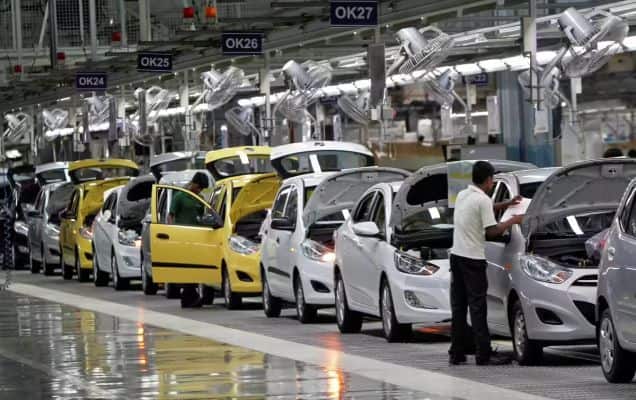
Some of your questions relate to Manufacturing in electronics. This is very important. Already our electronics imports are a big share in the import basket. In a few years from now, it is estimated that their import bill will become bigger than even Oil. The hunger for electronics goods is going up. Thus, you can understand the challenge. We must focus on manufacturing.
We have to particularly hurry up on manufacturing in strategic sectors like defence. We cannot afford to keep importing for all our needs.
Friends! To conclude, I would like to say that I am personally a great advocate of Technology. I know that IT can and will transform our lives. It is an inevitable force in the modern world. The sooner we adopt it; the better. The sooner we deploy it; the better. The sooner we master it; the better.
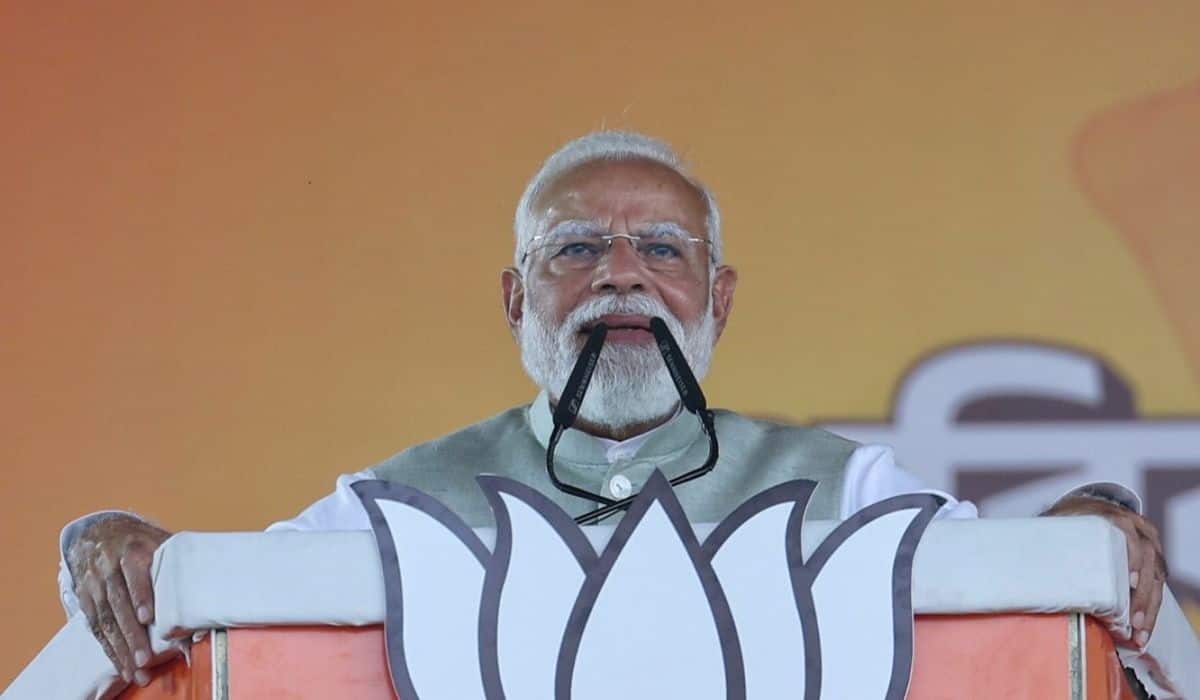
The days of TMC’s hooliganism are coming to an end: PM Modi in Kolkata, West Bengal
March 14, 2026
Share
The days of TMC’s hooliganism are coming to an end. The countdown for the departure of the TMC government has begun: PM Modi in Kolkata rally
Due to infiltration, Bengal’s ‘roti, beti and mati’ are under threat. Jobs of local people are being snatched away, security of our daughters is at risk and illegal encroachments are taking place: PM Modi
I assure the mothers and sisters of Bengal that under a BJP government, women will be safe and criminals will be behind bars: PM Modi’s promise to West Bengal
First the Congress, then the Communists and now the TMC - they kept coming one after another, filling their pockets while development work in Bengal remained stalled: PM’s concern in West Bengal
भारत माता की... भारत माता की... भारत माता की...
ये बेटी कब से चित्र लेकर खड़ी है कोई कलेक्ट कर लीजिए ताकि वो बेटी आराम से बैठ सके। जरा एसपीजी के लोग इसे कलेक्ट कर लीजिए। धन्यवाद बेटा... बहुत बढ़िया चित्र बनाया आपने...
बंगाल की ये ऐतिहासिक धरती....ये ब्रिगेड परेड ग्राउंड का ऐतिहासिक मैदान.....और, बांग्ला मानुष का ये ऐतिहासिक जन-सैलाब... जहां जहां मेरी नजर पहुंच रही हो लोग ही लोग नजर आ रहे हैं। ये अद्भुत दृश्य है। ये.आपका उत्साह...ये आपका जोश...बंगाल क्या सोच रहा है....बंगाल के मन में क्या चल रहा है....अगर किसी को ये देखना है, तो जरा ये तस्वीरें देख ले!
ब्रिगेड परेड ग्राउंड का इतिहास साक्षी है....जब-जब बंगाल देश को दिशा देता है...ये ब्रिगेड मैदान बंगाल की आवाज़ बनता है। इस मैदान से अंग्रेजी हुकूमत के खिलाफ उठी आवाज. और वो आवाज हिंदुस्तान में एक क्रांति बन गई थी। और उसका नतीजा क्या हुआ...अंग्रेजों के अत्याचार और लूट का खात्मा हुआ! आज एक बार फिर...ब्रिगेड ग्राउंड से नए बंगाल की क्रांति का बिगुल बज गया है। बंगाल में बदलाव अब दीवारों पर भी लिख चुका है... और बंगाल के लोगों के दिलों में भी छप चुका है। अब बंगाल से निर्मम सरकार का अंत होकर रहेगा... अब बंगाल से महाजंगलराज का खात्मा होगा। इसीलिए, बंगाल के हर कोने से आवाज उठ रही है... चाइ बीजेपी शॉरकार चाइ बीजेपी शॉरकार पाल्टानो दोरकार, चाइ बीजेपी शॉरकार
साथियों,
कल TMC ने इस रैली में आने वाले आप सभी लोगों को चोर कहकर गाली दी है। असली चोर कौन है, ये बंगाल की प्रबुद्ध जनता जानती है। अपनी कुर्सी जाते हुए देखकर... यहां की निर्मम सरकार बौखला गई है।
साथियों,
आज भी इस विशाल सभा को रोकने के लिए निर्मम सरकार ने सारे हथियार निकाल लिए आपलोगों को आने से रोकने के लिए ब्रिज बंद करवा दिए, गाड़ियां रुकवा दी, ट्रैफिक जाम करवाया, भाजपा के झंडे उखड़वा दिए, पोस्टर फड़वा दिए। लेकिन निर्मम सरकार साफ-साफ देख लो आज के जनसैलाब को रोक नहीं पाई हो। बंगाल में महाजंगलराज लाने वालों का काउंटडाउन शुरू हो चुका है। वो दिन दूर नहीं जब बंगाल में फिर से कानून का राज होगा...जो कानून तोड़ेगा... जो अत्याचार करेगा...TMC के किसी अत्याचारी को छोड़ा नहीं जाएगा। चुन-चुन के हिसाब लिया जाएगा।
भाइयों बहनों,
यहां की निर्मम सरकार चाहे अब जितना जोर लगा ले...परिवर्तन की इस आंधी को अब निर्मम सरकार रोक नहीं पाएगी... भाजपा के साथ...एनडीए के साथ...महिषासुरमर्दिनी का आशीर्वाद है। श्री रामकृष्ण परमहंस...स्वामी विवेकानंद....नेताजी सुभाष चंद्र बोस....ऋषि बंकिम चंद्र, गुरुदेव रवीन्द्र नाथ टैगोर....ईश्वर चंद विद्यासागर...बाघा जतिन और खुदीराम बोस...डॉ. श्यामा प्रसाद मुखर्जी.....लोकमाता रानी रॉशमोनी...ऐसी सभी महान विभूतियों ने जिस बंगाल की परिकल्पना की थी....भारतीय जनता पार्टी की सरकार...उस बंगाल का निर्माण करेगी, नवनिर्माण करेगी।
साथियों,
बंगाल का विकास नेक नीयत से होगा, सही नीतियों से होगा। बंगाल में अभी हमारी सरकार नहीं है। लेकिन फिर भी, केंद्र सरकार के जरिए बीजेपी दिन-रात बंगाल के विकास में लगी हुई है। आज भी, मैंने 18 हजार करोड़ रुपए से अधिक की परियोजनाओं का उद्घाटन और शिलान्यास किया है। अभी-अभी 18 हजार करोड़.. कितना... कितना.. 18 हजार करोड़... कितना... कितना... कितना... चार दिन पहले ही, कैबिनेट ने पश्चिम बंगाल के लिए मल्टी-ट्रैकिंग प्रोजेक्ट्स को मंजूरी दी है। ये सभी प्रोजेक्ट पश्चिम बंगाल में कनेक्टिविटी को बेहतर बनाएंगे। इसका फायदा यहां के सामान्य मानवी, किसान, व्यापारी और स्टूडेंट्स को मिलेगा।
भाइयो और बहनों,
यहां की निर्मम सरकार ने बंगाल के युवाओं को पलायन का अभिशाप दिया है। आप सब जानते हैं.... बंगाल के युवा प्रतिभा और हुनर में सबसे आगे हैं। बंगाल के युवा मेहनत करने में सबसे आगे हैं। बंगाल एक समय पर पूरे भारत के विकास को गति देता था... बंगाल व्यापार और उद्योगों में सबसे आगे था। लेकिन, आज हालात क्या हैं? यहाँ का युवा ना डिग्री ले पा रहा है... और ना ही उसे रोजगार मिल रहा है! आपके बेटे-बेटियों को काम की तलाश में दूसरे राज्यों में पलायन करना पड़ता है।
साथियों,
पहले कांग्रेस, फिर कम्युनिस्ट और अब TMC…. ये लोग एक के बाद एक आते रहे.... अपनी जेबें भरते रहे.... और बंगाल में विकास के काम ठप्प पड़े रहे। इनफ्रास्ट्रक्चर के मामले में हमारा बंगाल पीछे होता चला गया। उद्योग धंधे बंद होते चले गए। यहाँ टीएमसी सरकार में नौकरियां खुलेआम बेची जा रही हैं। भर्तियों में घोटाले हो रहे हैं। अब समय आ गया है.... अब समय आ गया है.... ये हालात बदलें, बंगाल के युवाओं को बंगाल में काम मिले! ये नौजवान बंगाल के विकास का नेतृत्व करें! एई शोप्नो आपनार, आर एई शोप्नो पूरोन कोरा.... मोदीर गारंटी! मोदीर गारंटी!
साथियों,
TMC सरकार का एक ही एजेंडा है.... ये टीएमसी वाले न खुद काम करेंगे, न करने देंगे! जब तक इनको अपना कटमनी नहीं मिल जाता.... ये किसी भी योजना को गाँव-गरीब तक नहीं पहुँचने देते! इसीलिए, TMC सरकार केंद्र की योजनाओं को रोककर रखती है। आप देखिए.... हम कारीगरों और कामगारों को आगे बढ़ाने के लिए पीएम-विश्वकर्मा योजना चला रहे हैं। हमारे कुम्हार, लोहार, बढ़ई... ऐसे हुनरमंद लोगों को इसका लाभ मिल रहा है। लेकिन, निर्मम सरकार ने बंगाल में योजना पर ब्रेक लगा रखा है। मुझे बताइए भाइयों, मेरे इन विश्वकर्मा भाइयों को भारत सरकार के पैसे पहुंचने चाहिए कि नहीं पहुंचने चाहिए, उनको मदद मिलनी चाहिए कि नहीं मिलनी चाहिए , उनका भविष्य उज्ज्वल होना चाहिए कि नहीं होना चाहिए.. केंद्र सरकार पैसे दे रही है, बंगाल को कुछ नहीं करना है लेकिन उसके बावजूद भी ये विश्वकर्मा समाज के छोटे-छोटे भाई-बहनों को उससे वंचित रखा जाता है।
साथियों,
देशवासियों को मुफ्त बिजली देने के लिए हमने पीएम-सूर्यघर मुफ्त बिजली योजना शुरू की है। केंद्र की भाजपा सरकार इसके लिए हर लाभार्थी को 75 से 80 हजार रुपए देती है। आपको, बंगाल के मेरे भाई-बहनों को, हर परिवार को मोदी सरकार 75 से 80 हजार रुपए रुपये देती है। जो लाभार्थी पीएम सूर्य घर मुफ्त बिजली योजना से जुड़ता है, उसके घर का बिजली बिल जीरो हो जाता है...लेकिन बंगाल सरकार इसे भी लागू नहीं होने दे रही। आप मुझे बताइए आपका बिजली बिल जीरो होना चाहिए कि नहीं। बिजली बिल जीरो करने के लिए मोदी की मदद मिलनी चाहिए कि नहीं चाहिए। जो इसे रोकते हैं वो आपके दुश्मन हैं कि नहीं हैं… बंगाल के दुश्मन हैं कि नहीं हैं… हर परिवार के दुश्मन हैं कि नहीं है।
साथियों,
बंगाल के विकास में चाय बागानों और उनमें काम करने वाले श्रमिकों की बड़ी भूमिका है। लेकिन चाय बागानों के श्रमिकों को PM चाह श्रमिक प्रोत्साहन योजना का लाभ नहीं मिल रहा है। मुझे बताइए.. चाय बागान के मेरे श्रमिकों को ये लाभ मिलना चाहिए कि नहीं मिलना चाहिए… उनको मदद मिलनी चाहिए कि नहीं मिलनी चाहिए। केंद्र सरकार की इस योजना में बंगाल सरकार रोड़े अटका रही है।
साथियों,
आप सबने देश भर में पीएम-आवास योजना की सफलता के बारे में सुना है! दुनिया के लोग भी जब सुनते हैं ना तो अचरज करते हैं। जो लोग बंगाल से बाहर रह रहे हैं… ऐसे हर गरीब परिवार को पक्का घर मिल रहा है। लेकिन यहां क्या हुआ? योजना का नाम बदल दिया गया। लाभार्थियों की सूची में गड़बड़ की। और जिन गरीबों को घर मिलना चाहिए था, वे आज भी इंतजार कर रहे हैं। ईमानदारी से, ट्रांसपैरेंसी से बंगाल के गरीबों को पक्का घर मिलना चाहिए कि नहीं मिलना चाहिए….ये टीएमसी सरकार मिलने देगी क्या… ये निर्मम सरकार मिलने देगी क्या… ये सरकार जानी चाहिए कि नहीं जानी चाहिए… गरीबों को घर मिलना चाहिए कि नहीं मिलना चाहिए
साथियों,
इतना ही नहीं, यही हाल जल जीवन मिशन का भी है। बंगाल में लोग पूछ रहे हैं...जब देश के बाकी हिस्सों में हर घर जल पहुंच सकता है, तो बंगाल में क्यों नहीं? भाइयों बहनों, केवल बिजली, पानी, सड़क और घर इसकी ही बात नहीं है....ये टीएमसी की सरकार...अपनी स्वार्थी राजनीति की वजह से आयुष्मान योजना को लागू नहीं कर रही है। देश के करोड़ों लोग इस योजना के तहत पाँच लाख रुपए तक के मुफ्त इलाज का लाभ उठा रहे हैं। मुझे बताइए, गरीबों को बीमारी में पांच लाख रुपये तक की मदद पहुंचनी चाहिए कि नहीं पहुंचनी चाहिए.. मोदी दे रहा है मिलनी चाहिए कि नहीं मिलनी चाहिए… ये टीएमसी सरकार बीमार लोगों का दुश्मन है कि नहीं है.. अत्याचारी है कि नहीं है… लेकिन बंगाल के गरीब परिवारों को पांच लाख रुपये वाली आयुष्मान योजना से भी, उस अधिकार से वंचित रखा गया है।
साथियों,
आज बंगाल के किसान की हालत भी किसी से छिपी नहीं है. मुझे बताया गया है कि दो-तीन दिन पहले ही चंद्रकोना में हमारे एक आलू किसान ने खुदकुशी कर ली है। आत्महत्या कर ली है। पश्चिमी मिदनापुर से हुगली और बर्धवान तक....किसानों से झूठ वायदे और सरकारी खरीद में घोटाला ही ये टीएमसी सरकार की पहचान बन गया है। TMC के कट, कमीशन और करप्शन के कारण.... गंदी राजनीति के लिए किसानों की जिंदगी से, गरीबों और मध्यम वर्ग की जिंदगी से माताओं और बहनों की सुरक्षा से खिलवाड़ किया जा रहा है। इसीलिए....TMC जाएगी.... तो हर गरीब को पक्का घर मिलेगा। गरीब को पक्का घर मिलना चाहिए कि नहीं मिलना चाहिए… मिलना चाहिए कि नहीं मिलना चाहिए.. ये मोदी की गारंटी है। हर गरीब परिवार को बता देना कि जैसे ही टीएमसी की सरकार जाएगी गरीबों का पक्का घर बनना शुरू हो जाएगा। TMC जाएगी.... तो हर घर साफ जल पहुंचेगा। TMC जाएगी.... तो हर गरीब को मुफ्त इलाज मिलेगा। TMC जाएगी.... तो कारीगरों को नए अवसर मिलेंगे। TMC जाएगी.... तभी बंगाल में सुशासन आएगा।
साथियों,
हमारे बंगाल ने आज़ादी के बाद विभाजन सहा! विभाजन की आग देखी.... मजहबी दंगे देखे.... बाद के दशकों में अस्थिरता देखी.... घुसपैठ का दौर देखा... रक्तपात सहा! इस सबकी सबसे बड़ी भुक्तभोगी अगर कोई थीं, तो बंगाल की माताएं, बहनें, बेटियां, बंगाल की महिलाएं थीं। लेफ्ट की सरकार में अपहरण, हत्या, बलात्कार का वो दौर कोई नहीं भूल सकता। इसलिए बंगाल के आप लोग... लेफ्ट को हटाकर बढ़ी आशा के साथ TMC को लेकर आए! आपने TMC पर भरोसा किया! लेकिन, TMC ने लेफ्ट के गुंडों और माफियाओं को ही अपनी पार्टी में भर्ती कर लिया। आज बंगाल में अपराधियों को खुली छूट है। आए दिन बहन-बेटियों के खिलाफ दिल दहलाने वाले अपराध होते हैं। बंगाल का कोई इलाका ऐसी घटनाओं से अछूता नहीं है। आप याद करिए.... कॉलेज परिसर में दुष्कर्म की घटना.... नाबालिग बेटियों से दुष्कर्म के मामले.... TMC कार्यालय में महिला से बलात्कार.... 7-8 साल की बच्चियों से बलात्कार के खौफनाक कुकृत्य.... कहीं आदिवासी बेटी के साथ दुष्कर्म.... ऐसे ज़्यादातर मामलों में अपराधी कोई न कोई कोई न कोई TMC का नेता होता है... या TMC से जुड़ा होता है!
साथियों,
यहां निर्मम सरकार खुलेआम बलात्कारियों को संरक्षण देती है। अपराधियों को बचाने की पूरी कोशिश की जाती है। आप मुझे बताइए.. अपराधियों को बचाया जाता कि नहीं बचाया जाता… बलात्कारियों को बचाया जाता कि नहीं बचाया जाता.. संदेशखाली की वो तस्वीरें, और TMC सरकार का रवैया...आर.जी. कर अस्पताल की उस बेटी के साथ हुई दरिंदगी...बंगाल के लोग भूले नहीं हैं....TMC कैसे खुलेआम अपराधियों के साथ खड़ी नज़र आती थी।
साथियों,
इसी मानसिकता का परिणाम है... आज महिलाओं के खिलाफ एसिड अटैक… एसिड अटैक जैसे घिनौने अपराध इतने ज्यादा पश्चिम बंगाल में हो रहे हैं। जो बंगाल एक समय देश का सबसे प्रगतिशील राज्य होता था...आज वहाँ शाम होते ही माएं बेटियों को फोन करके कहती हैं....बाड़ी फिरे ऐशो शोन्धे नामार आगे। शक्ति की पूजा करने वाले बंगाल को ऐसे हालात मंजूर नहीं होंगे। मैं बंगाल की मेरी माताओं बहनों को भरोसा दिलाता हूँ....आप भाजपा को बीजेपी को अपना आशीर्वाद दीजिये। बीजेपी सरकार में महिलाएं सुरक्षित होंगी...और अपराधी जेल में होंगे। और ये मोदी की गारंटी है।
साथियों,
TMC सरकार गुंडों और अपराधियों की बैसाखी पर चलती है। रंगबाजी और कटमनी... ये TMC की कमाई का जरिया है। ये लोग जानते हैं.... जिस दिन बंगाल के लोग खुलकर सामने आ गए...TMC की विदाई पक्की है। और मैं ये दृश्य देखकर कह सकता हूं कि अब टीएमसी को बचाने वाला कोई नहीं बचा है इसीलिए, ये बंगाल के आप लोगों को डरा-धमकाकर रखना चाहते हैं। इसके लिए TMC वाले माफिया गिरोहों को पालते हैं। ये कट्टरपंथियों को संरक्षण देते हैं। और ऐसे गिरोहों की ताकत बढ़ाने के लिए घुसपैठियों को बुलाते हैं.... घुसपैठियों को
साथियों,
ये TMC 'माँ, माटी, मानुष' के नारे पे सत्ता में आई थी..... आज वही माँ रो रही है… माटी को लूटा जा रहा है.... और, बंगाली मानुष बंगाल छोड़ने पर मजबूर हो रहा है। घुसपैठियों की वजह से आज बंगाल की ‘रोटी, बेटी, माटी’ उस पर सबसे बड़ा खतरा आ गया है। ये लोग बंगाल के लोगों का रोजगार छीन रहे हैं। हमारी बहन बेटियों की सुरक्षा खतरे में पड़ गई है। और, बंगाल के लोगों की ज़मीनों पर, बंगाल की माटी पर इन घुसपैठियों को कब्जा दिलवाया जा रहा है। इसका परिणाम आज सबके सामने है। बीते दशकों में बंगाल के ज़्यादातर इलाकों में डेमोग्राफी बदल गई है। बंगाली हिंदुओं को जानबूझकर अल्पसंख्यक बनाया जा रहा है। तुष्टीकरण का ऐसा खुला खेल.... जब शरणार्थी हिंदुओं को नागरिकता देने की बात होती है, तो पूरी TMC उसका विरोध करती है। वो हिन्दू... जिन्होंने कभी विभाजन का समर्थन नहीं किया था! जिन्होंने हमेशा अविभाजित बंगाल को, भारत को अपनी मातृभूमि माना! TMC वाले उन्हें नागरिकता देने का विरोध करते हैं। क्योंकि, उनके लिए उनका वोट बैंक ही सबसे प्रमुख है। वो हिंदुओं को वो अपना वोटबैंक नहीं समझते! उनसे उनके आपराधिक गिरोह नहीं बढ़ते! इसीलिए, ये लोग SIR का भी विरोध करते हैं। ताकि, घुसपैठियों के नाम वोटर लिस्ट से हट ना जाएं...वोटर लिस्ट शुद्ध ना हो जाए! ये तो ऐसे लोग है … जिनकी मृत्यु हो जाए उनके नाम तक निकालने को तैयार नहीं हैं ।
भाइयों बहनों,
डेमोग्राफी के इस खतरनाक बदलाव ने आज बंगाल को असुरक्षित बना दिया है। और अब तो, यहां खुलेआम धमकी दी जा रही है! कहा जा रहा है कि एक खास कम्यूनिटी वाले मिलकर आप लोगों को खत्म कर देंगे! संवैधानिक कुर्सी पर बैठकर ऐसी धमकी !!! करोड़ों बंगाली लोगों को खत्म करने की बात !!!....आपके मुंह में शोभा नहीं देती है मैं पूछना चाहता हूँ…वो कौन लोग हैं, जो TMC सरकार के इशारों पर करोड़ों लोगों को खत्म कर देंगे?
साथियों,
धमकाने-डराने की इस राजनीति को...TMC ने इसे अपना हथियार बना लिया है। चुनाव में वोटरों को धमकी... सरकार के नीतियों के आलोचकों को धमकी... मीडिया को धमकी... विपक्ष को धमकी... ये बंगाल में खौफ का कैसा माहौल बनाकर रखना चाहते हैं... ये पूरे देश को जानना चाहिए... ये लोग कहते हैं... तृणमूल को जिसका वोट नहीं, TMC को जिसका वोट नहीं, तो वो बंगाली नहीं! तृणमूल को वोट नहीं, तो सरकार योजना का लाभ नहीं! तृणमूल को वोट नहीं, तो घरों में बिजली पानी नहीं! TMC सिंडीकेट के जरिए नहीं जाओगे, तो कोई सप्लाइ नहीं! लेकिन साथियों, मैं TMC को याद दिलाना चाहता हूँ... TMC की गुंडागर्दी के दिन अब खत्म होने जा रहे हैं। TMC सरकार के जाने का काउंटडाउन शुरू हो चुका है। यहां बंगाल में बीजेपी सरकार बनने के बाद एक तरफ हम, सबका साथ, सबका विकास ये मंत्र लेकर चलेंगे, दूसरी तरफ सबका हिसाब लिया जाएगा। टीएमसी के वे गुंडे, TMC के ये गुंडे जो आपको डराते हैं...बीजेपी सरकार में उनके डर भरे दिन शुरू होना तय है। बीजेपी सरकार में खौफ हर अपराधी को होगा... खौफ हर घुसपैठिए को होगा...खौफ तुष्टीकरण की राजनीति करने वालों को होगा...क्योंकि, कानून अपना काम करेगा! कानून का राज आएगा ऐसे लोगों को मुंह छिपाने की जगह नहीं मिलेगी। ऐसे अपराधियों की सिर्फ एक ही जगह होगी- एक ही जगह होगी जेल। जेल। जेल।
साथियों,
बंगाल की निर्मम सरकार में आज सबसे ज्यादा प्रताड़ित यहाँ का दलित, आदिवासी और हमारे गरीब भाई-बहन हैं। आदिवासी समाज के साथ कैसा अन्याय होता है... ये किसी से छिपा नहीं है। लेकिन, अब तो TMC सरकार ने सभी सीमाएं लांघ दी हैं। आप देखिए...अभी कुछ दिन पहले हमारे देश की महामहिम राष्ट्रपति... आदिवासी समाज की बेटी… आदरणीय द्रौपदी मुर्मू जी बंगाल आईं थीं। उन्हें संथाल आदिवासी परंपरा के पावन उत्सव में शामिल होना था। लेकिन अहंकार में डूबी इस निर्मम सरकार ने न केवल उस कार्यक्रम का बहिष्कार किया, बल्कि उसे पूरी तरह बदइंतजामी के हवाले कर दिया। क्योंकि, एक आदिवासी बेटी इतने बड़े पद पर है.... TMC वालों को उनका सम्मान मंजूर नहीं हुआ! द्रौपदी मुर्मू जी, जो हमेशा अपनी सरलता के लिए जानी जाती हैं.... उन्हें खुद बड़े दुखी मन से खेद व्यक्त करना पड़ा! भारत के राष्ट्रपति को अपनी तकलीफ बतानी पड़ी! TMC वालों को ये याद रखना पड़ेगा...उन्होंने केवल द्रौपदी मुर्मू जी का अपमान नहीं किया है। उन्होंने करोड़ों आदिवासियों का अपमान किया है। उन्होंने करोड़ों महिलाओं के सम्मान को ठेस पहुंचाई है। उन्होंने देश के सर्वोच्च पद की गरिमा को ठेस पहुंचाई है। इन्होंने भारत के संविधान का अपमान किया है। इन्होंने बाबा साहेब आंबेडकर का अपमान किया है और इसका जवाब बंगाल के लोगों से टीएमसी को मिलने वाला है। निर्मम सरकार को मिलने वाला है।
साथियों,
TMC सरकार ने बंगाल को पूरी तरह से अराजकता के हवाले कर दिया है। संवैधानिक व्यवस्था पर आए हर दिन हमले करने के वो रास्ते खोजते रहते हैं, हमले करते रहते हैं। पिछले कुछ महीनों में आपने देखा है....जब भी चुनाव आयोग निष्पक्ष चुनाव सुनिश्चित करने के लिए कदम उठाता है, मतदाता सूची की शुद्धि की कोशिश करता है, तब टीएमसी उसके खिलाफ हमला करने लगती है। जो संस्था स्वतंत्र और निष्पक्ष चुनाव कराने के लिए जिम्मेदार है, उसी की विश्वसनीयता पर सवाल खड़े किए जाते हैं। ऐसा ही व्यवहार देश की सेना को लेकर दिखाई देता है। जब 2019 में भारतीय वायुसेना ने बालाकोट में आतंकवादी ठिकानों पर निर्णायक कार्रवाई की, तब TMC ने देश की वायुसेना से कार्रवाई का सबूत मांगा।
साथियों,
यहां राज्य सरकार...पुलिस को स्वतंत्र रूप से जांच करने नहीं देती। जब राष्ट्रीय एजेंसियां TMC सरकार के भ्रष्टाचार या गंभीर अपराधों की जांच करना चाहती हैं, तो उन्हें भी रोकने की कोशिश होती है। अब जरा सोचिए, न्याय के लिए लोग आखिर कहां जाएंगे? साथियों, तृणमूल वाले यही अराजकता दिल्ली तक फैलाने की कोशिश करते हैं। आपने संसद में भी देखा है… सदन के भीतर कैसे कागज फाड़े जाते हैं, कैसे बहस को रोका जाता है, कैसे सदन की कार्यवाही को बाधित किया जाता है। देश...TMC की शर्मनाक हरकतें देखकर हैरान होता है। साथियों,बंगाल के प्रबुद्ध लोग अब इस अराजकतावादी सरकार के खिलाफ संकल्प ले चुके हैं। इस अराजक सरकार को उखाड़ फेंकने का काम इसी धरती के लोग करने वाले हैं।
साथियों,
आज यहां जो जनसैलाब उमड़ा है...ये पश्चिम बंगाल की जागती हुई चेतना है। यह उस बदलाव की आहट है, जिसका इंतजार वर्षों से किया जा रहा है। पश्चिम बंगाल में दार्जिलिंग की पहाड़ियों से लेकर सुंदरबन के द्वीपों तक, उत्तर बंगाल के चाय बागानों से लेकर कोलकाता की गलियों तक, आज हर जगह पर एक ही चर्चा है। बदलाव चाहिए... और ये बदलाव अब होकर रहेगा। साथियों, बंगाल की आत्मा कभी हार मानने वाली नहीं है। बंगाल… का नौजवान कभी हार मानने वाला नहीं है। बंगाल की बेटियां कभी हार मानने वाली नहीं है। बंगाल का किसान कभी हार मानने वाला नहीं है। जब-जब इस भूमि के सामने चुनौतियाँ आई हैं, तब-तब यहाँ की जनता ने साहस के साथ उनका सामना किया है। गुरुदेव रवींद्रनाथ ठाकुर ने भी हमें यही संदेश दिया है। उन्होंने कहा था...
आज भी वही समय है। कुछ लोग आपको डराने की कोशिश करेंगे। कुछ लोग कहेंगे कि बदलाव संभव नहीं है। लेकिन याद रखिए, और याद जरूर रखें.. जब जनता ठान लेती है, तो कोई भी ताकत उसे रोक नहीं सकती। और बंगाल की जनता ने जब भी ठाना है, इतिहास बदल कर दिखाया है। आज मुझे इस ऐतिहासिक ब्रिगेड मैदान में वही आत्मविश्वास, मेरी आंखों के सामने दिखाई दे रहा है। याद रखिए...इस बार चुनाव सिर्फ सरकार बदलने का नहीं... इस बार चुनाव बंगाल की आत्मा को बचाने का है। इस बार चुनाव व्यवस्था बदलने का है। इस बार चुनाव कट-मनी से छुटकारे का है। इस बार चुनाव डर से मुक्ति का है। मैं आने वाले परिवर्तन के लिए मेरे बंगाल के भाइयों बहनों को बहुत-बहुत शुभकामनाएं देता हूं।