Published By : Admin |
December 4, 2011 | 06:36 IST
Share
"India missed out on the gains of the industrial revolution due to colonialism but we have risen due to ICT (Information Communication Technology) revolution."
"Gujarat has made great strides in IT, especially in adoption of modern technology for governance."
"I am very enthusiastic about the potential of Mobile Governance (m-Governance) as a tool for providing good governance."
Place: Gandhinagar, Date: 14-12-2011
India, which was once known as the land of snake charmers is now known for its mouse charmers. India might have missed out on the gains of Industrial Revolution as it was under foreign rule, but with a progressive attitude we have risen to adapt Information and Communication Technology (ICT). Our youth have led the field and compelled the world to take note of our growth.
To me, e-Governance is nothing but easy, economic and effective governance. e-Governance is a key component of good governance, which is the key to sustainable development. The state has been constantly innovating, aiming at excellence in governance. The opportuneunderstanding of the importance of technology in effective and efficient delivery of services has enabled the state to take up many innovative steps for empowering people. Gujarat has made long strides in the field of IT during the last decade, especially in adoption of modern technology for governance. We celebrated the year 2004 as the ‘Year of e-Governance’, emphasizing upon the important role technology can play in providing good governance.
The Gujarat Government’s major e-Governance initiatives include e-Dhara forcomputerization of land records, broadband connectivity in all the 18,000-odd villagePanchayats of the state, Citizens’ Charter providing information about 100 public services at 300 Janseva Kendras, e-Gram programme, SWAGAT to redress online peoples’ grievances, e-Mamta, use of technology in distance learning and so on.
The state government has also initiated online recruitment process, bar coding ofration cards and computerization of all the check posts on highways through e-Governance. All check-posts have been computerized and every commercial vehicle going from the state to theneighboring state is accounted for. The sales tax collection has been computerized, resulting in additional revenues for the state government. Computerization of check posts has facilitated the process of verification of documents, estimation of penalty amount and its collection.
To arrest the dropout rates of school children, a district-level officer in the stateadministration has developed in-house software to keep a tab on dropouts. If a student is absent continuously for a period longer than 7 days, the system will automatically send a report to the Taluka level educational officer and in case of absence for over 15 days, it will be reported to the district-level officer. This can help in reducing the dropout rate in the state.
To encourage innovations in primary education, an attempt has been made by the Gujarat Educational Innovations Commission to recognize innovators who silently work at thegrassroots level. One way through which this has been achieved is in the form of a book that showcases 25 teachers who have redefined primary education through their innovations.
The state has received a full-fledged transponder of 36 MHz Q-band from Indian Space Research Organisation (ISRO). The transponder will enable the state in implementing long distance education system across the state as it has fully developed the capacity. We will use the transponder in bringing about a qualitative change in the primary education bydelivering education programmes to the schools, colleges, universities and for imparting the medical education, technical education and skill development knowledge. Besides, the educational programmes for farmers would be transmitted to the interior villages of the state.
Our cities are also emerging as IT hubs. According to recent NASSCOM reports, cities likeSurat and Ahmedabad have managed to position themselves on the top list that are attracting people with IT background.
I am very enthusiastic about the potential of Mobile Governance (m-Governance) as a tool for providing good governance. The common man is now using mobiles with ease and Gujarat has been among the early adopters of m-Governance. We are working on a m-Governance policy and will soon come out with a detailed policy for use of mobilecommunication devices for government.
Gujarat had ushered in transparency and accountability in governance through use of Information Technology. When technology becomes a part of your life, it starts driving you.The person, who understands this, can bring change. I wish that Indians use IT with as much ease as mobile.
I believe that IT+IT=IT i.e. Indian talent + Information technology = India Tomorrow. It is my firm belief that our talent will build the future of India with the help of IT.
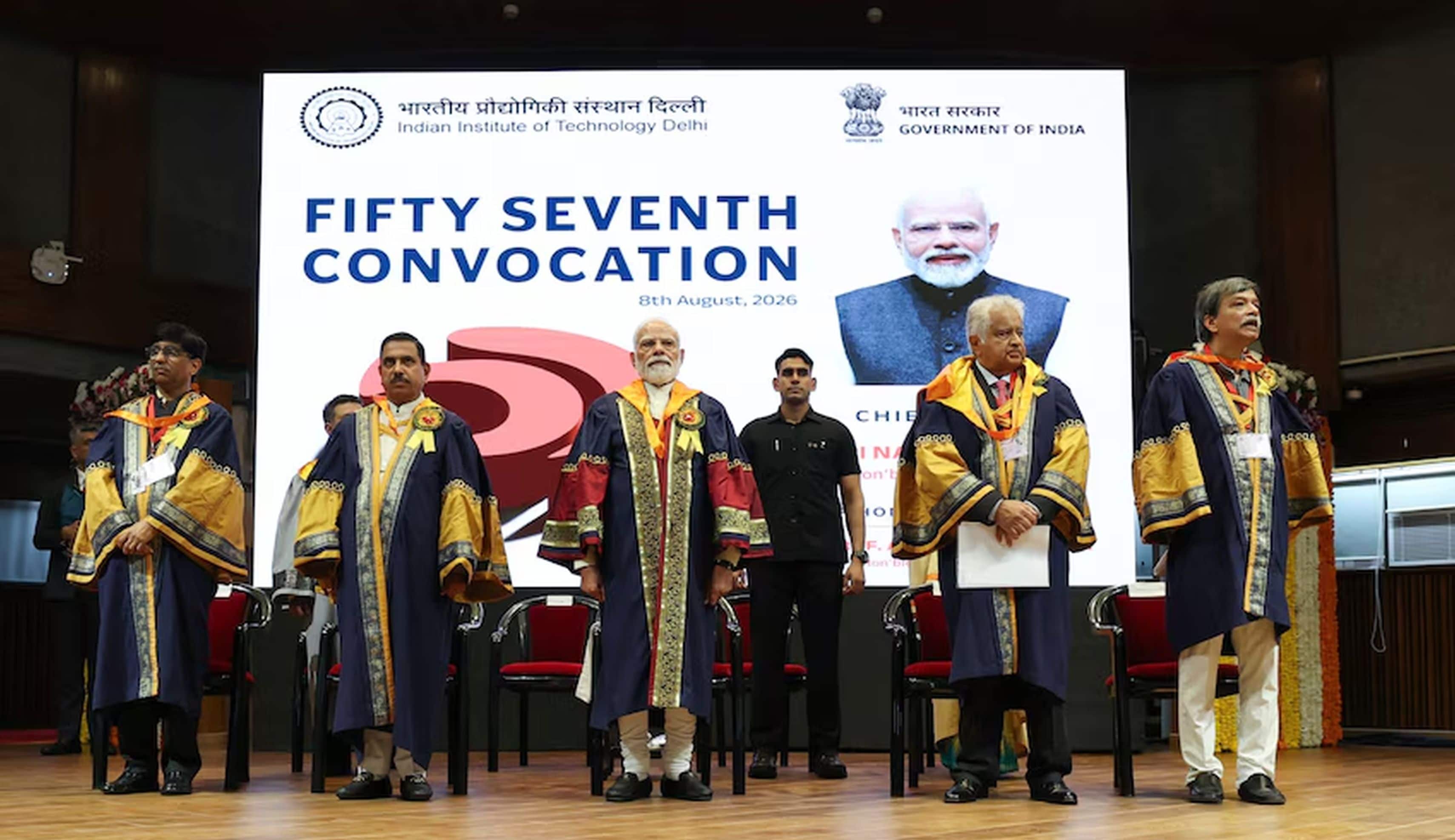
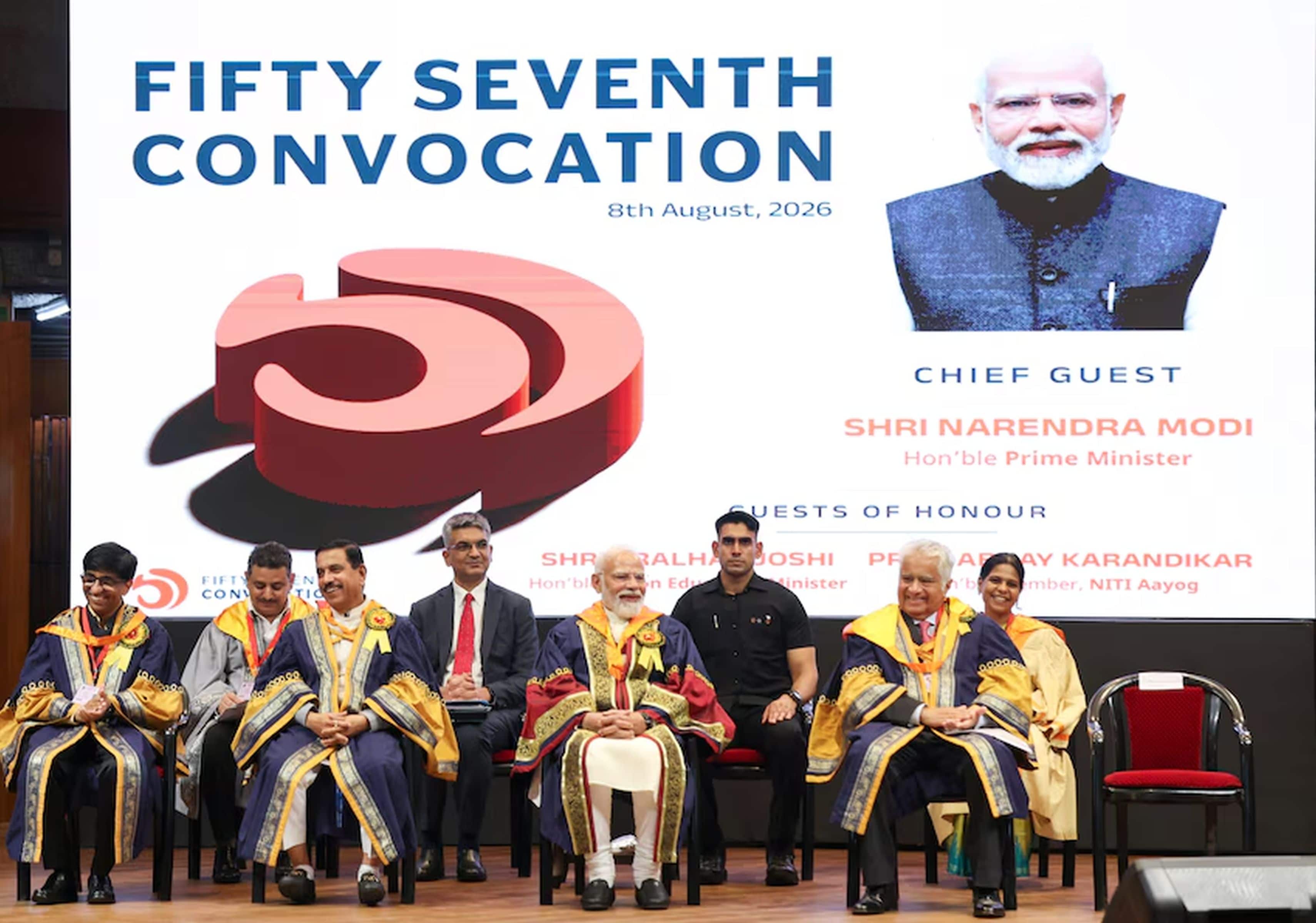
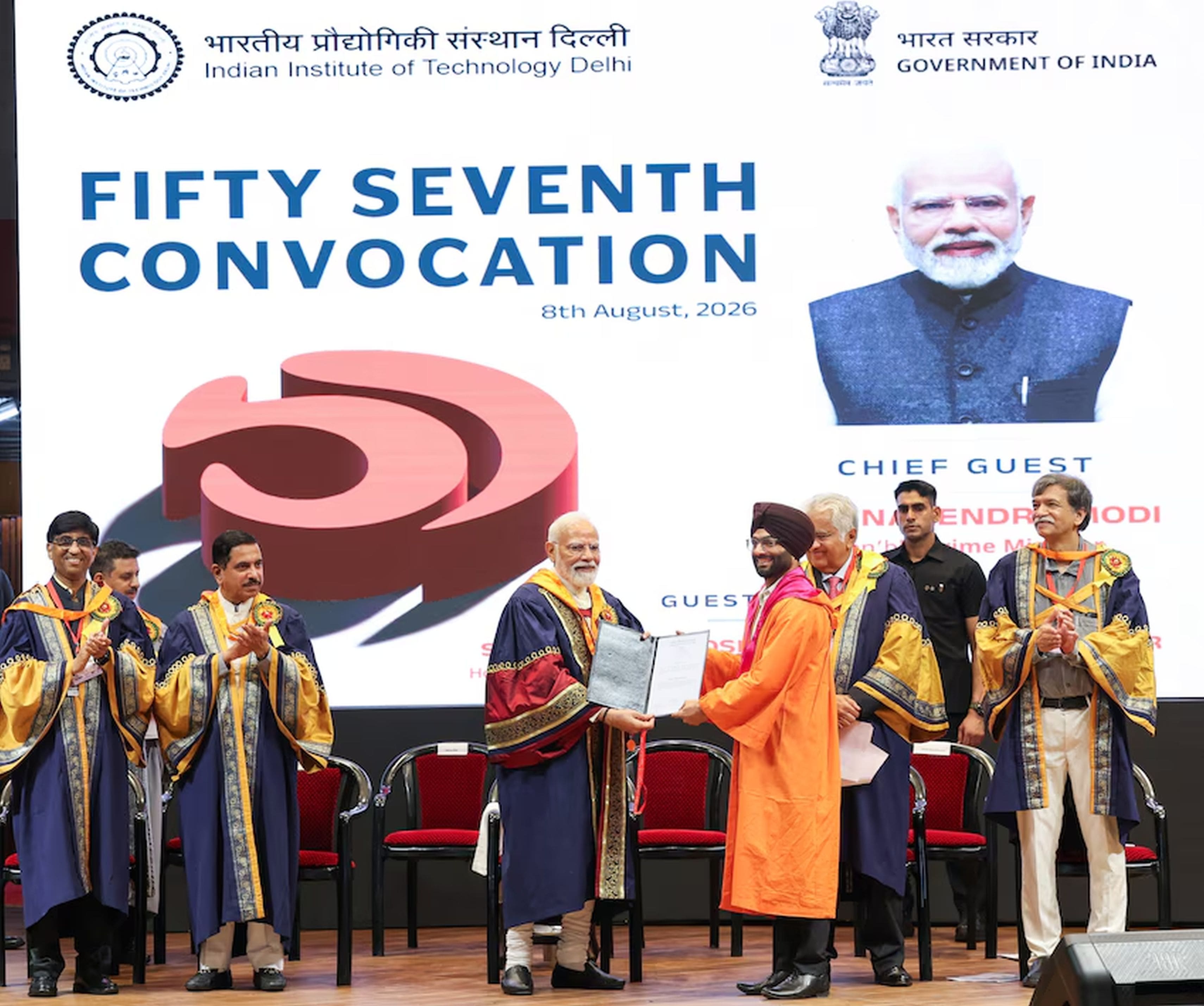
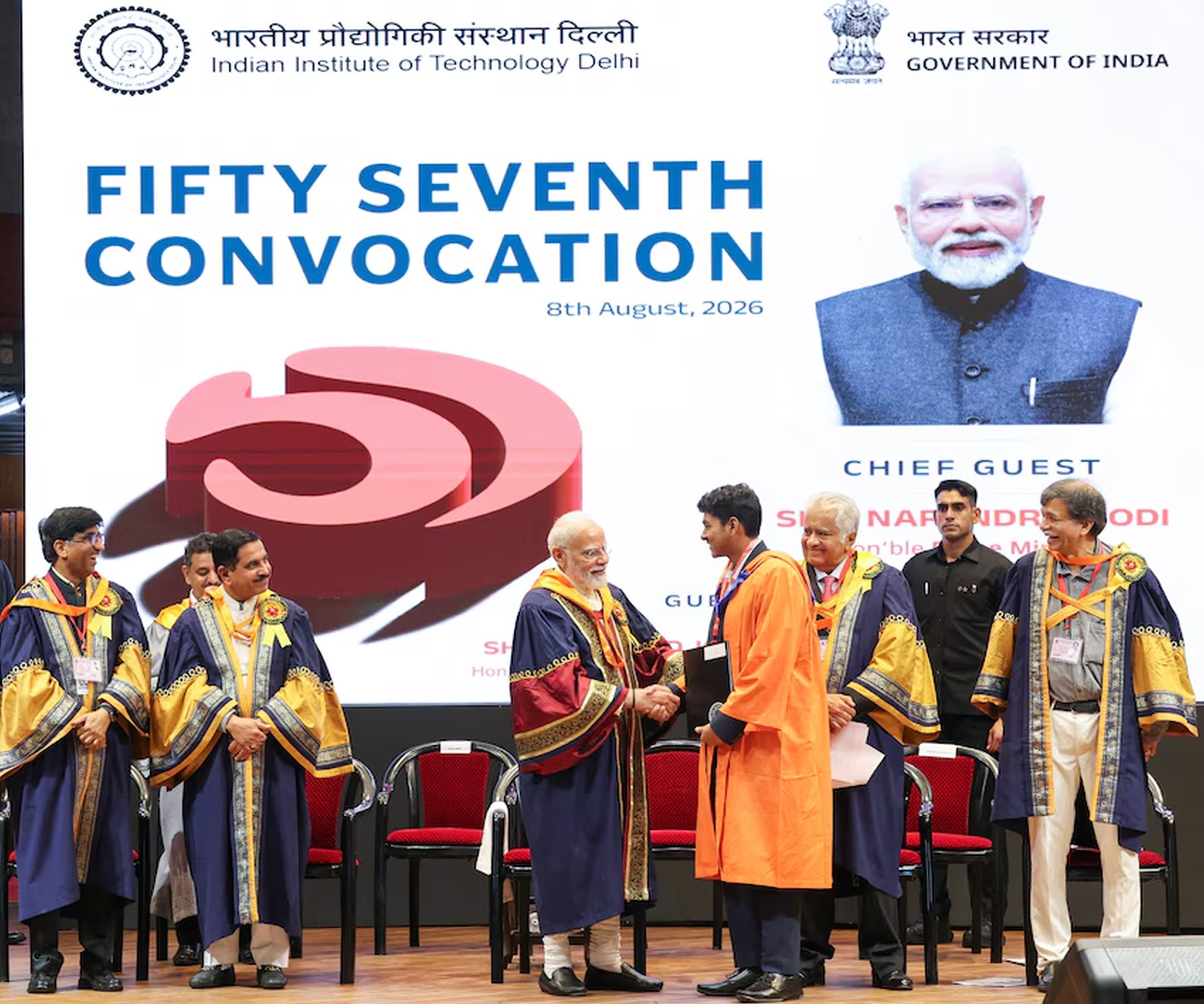
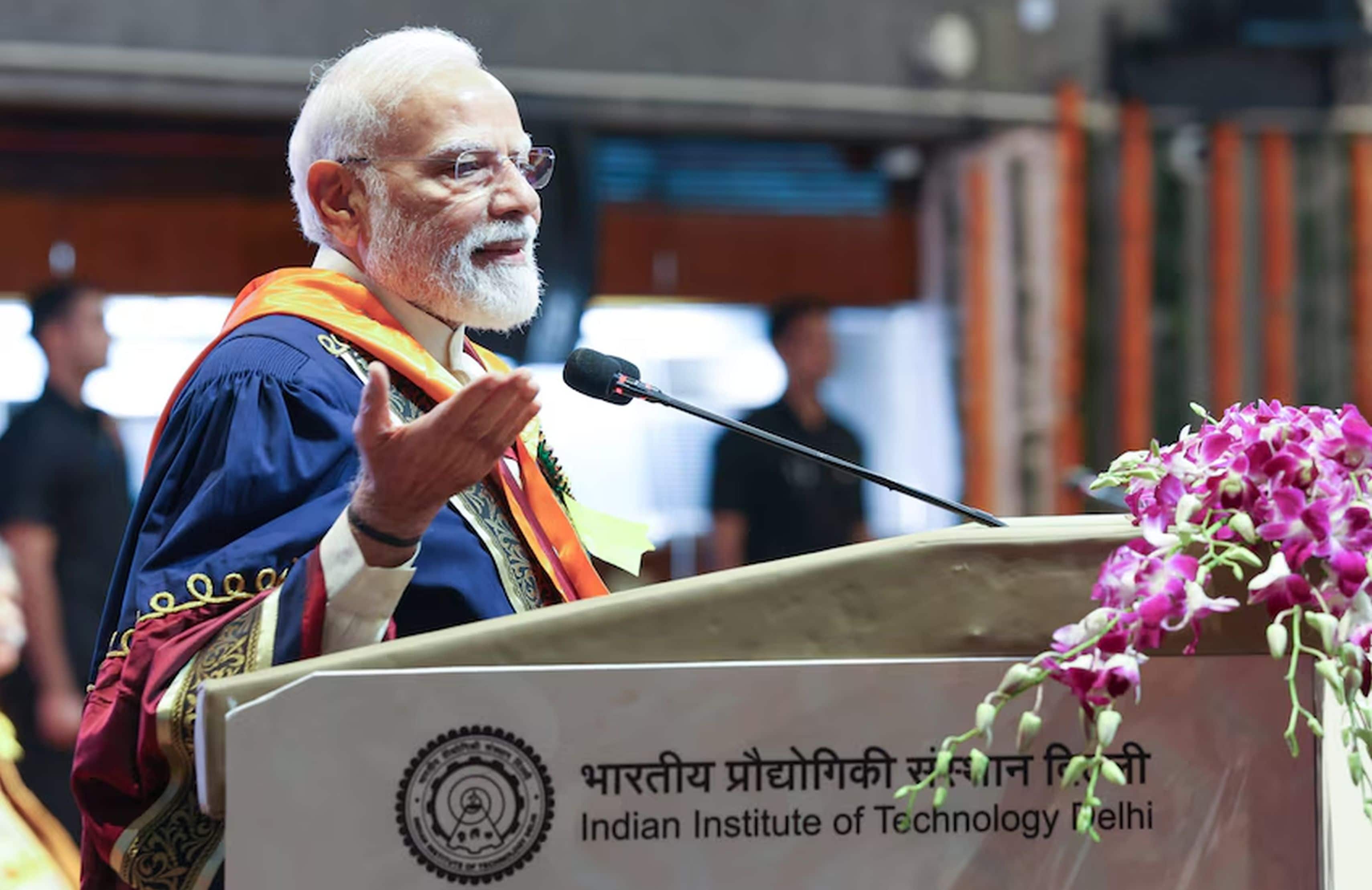
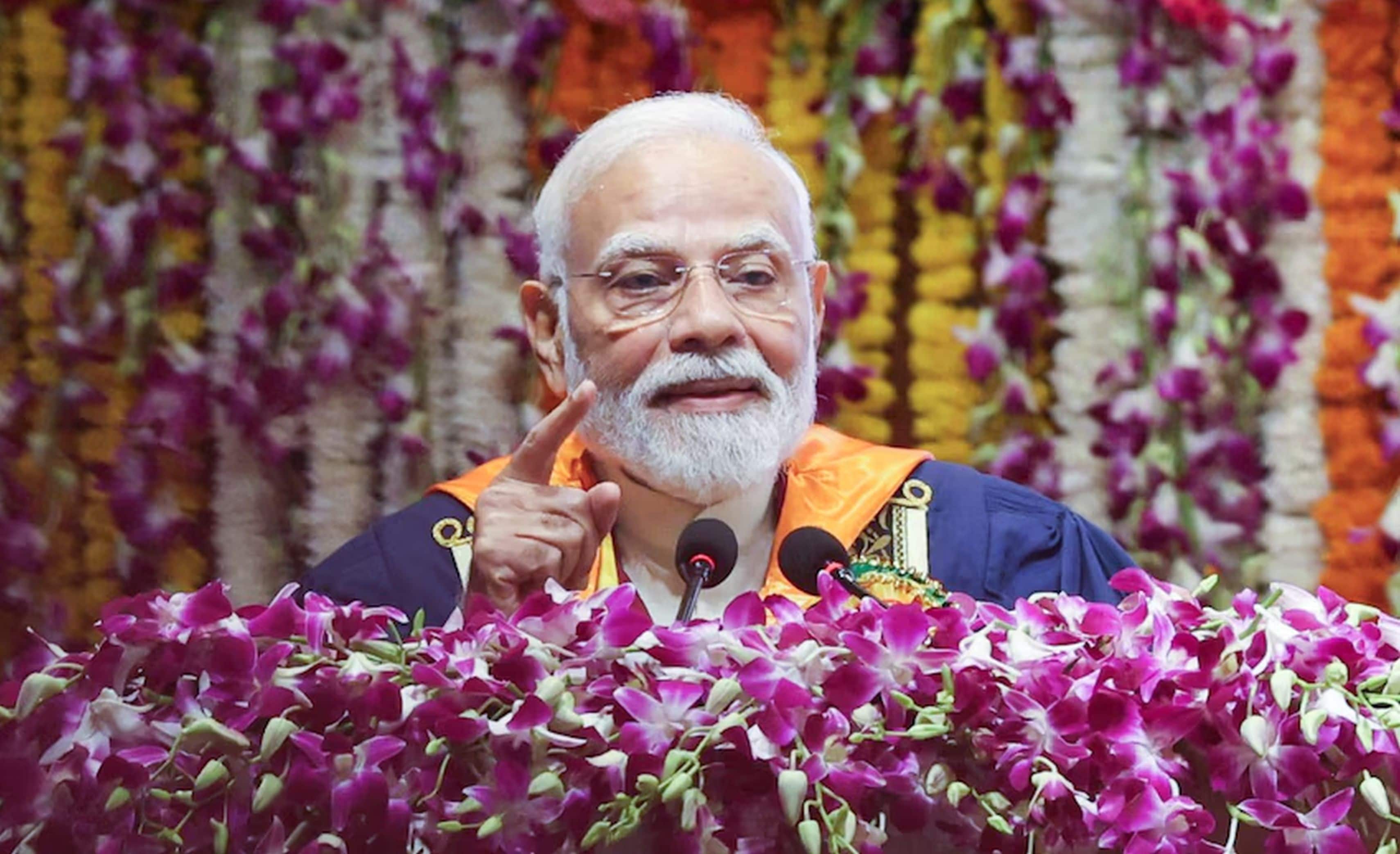
ఐఐటీ ఢిల్లీ 57వ స్నాతకోత్సవ వేడుకలో ప్రధానమంత్రి శ్రీ నరేంద్ర మోదీ ప్రసంగం
August 08, 2026
Share
Those who have the courage to find new solutions to challenges, for them, the challenges will become opportunities: PM
Keep your curiosity alive in life, keep your learning instinct : PM
Question things that are accepted without a thought, but don't just stop at questioning; have the courage to also find their solutions: PM
Today, India is working towards self-reliance in economic, technological and industrial sectors, forming a strong foundation for Viksit Bharat: PM
Today, new sectors are emerging in the country for our youth: PM
కేంద్ర విద్యాశాఖ మంత్రి ప్రహ్లాద్ జోషి, నా మిత్రుడు హరీశ్ సాల్వే, ప్రొఫెసర్ అభయ్ కరందికర్, ఐఐటీ ఢిల్లీ డైరెక్టర్ ప్రొఫెసర్ రంగన్ బెనర్జీ, గౌరవ ఆచార్యులు, విశిష్ట అతిథులు, నా ప్రియమైన విద్యార్థులారా,
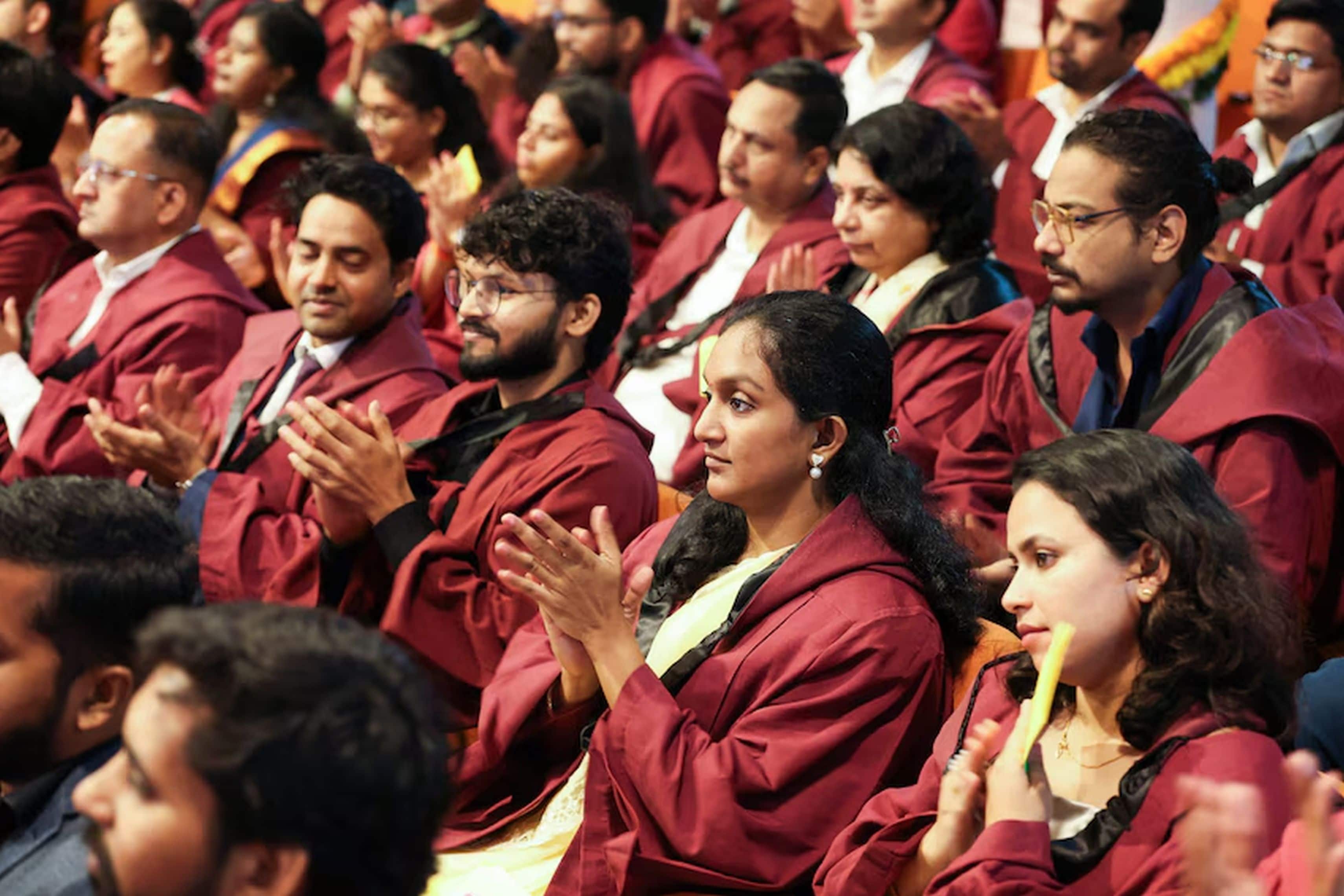
దేశంలోని ప్రతిభావంతులైన మీ అందరి జీవితంలో ఇవాళ కొత్త ప్రయాణం ప్రారంభమవుతోంది. మీ జీవితంలో ఉత్సాహం, ఆసక్తి, కలలు, భావోద్వేగాలతో నిండిన అద్భుతమైన క్షణాన్ని అనుభవిస్తున్నారు. ఈ క్షణంలో భాగమయ్యేందుకు, ఢిల్లీ ఐఐటీ క్యాంపస్కు వచ్చేందుకు, ఈ అనుభూతిని మీతో పంచుకోవటం నాకు కూడా చాలా ప్రత్యేకం. కొవిడ్ మహమ్మారి కారణంగా గతంలో ఇక్కడ జరిగిన స్నాతకోత్సవంలో నేను వర్చువల్గా పాల్గొన్నాను. కానీ ఇవాళ నేను నేరుగా మీ వద్దకు రావటం నాకు ఎంతో సంతోషాన్ని కలిగిస్తోంది.
మిత్రులారా,
ఇవాళ మీ పట్ల మీ కుటుంబసభ్యులు ఎంత గర్వపడుతున్నారో.. నేను కూడా అంతే గర్వంగా ఉన్నాను. ఎందుకంటే మీరు కేవలం ఒక డిగ్రీని మాత్రమే పొందటం లేదు... దేశం కోసం గొప్ప కార్యాలు చేయాలనే కలలతో బయటకు అడుగుపెడుతున్నారు. చాలామంది విద్యార్థుల ప్రతిభకుగానూ పతకాలను కూడా అందుకున్నారు. వారందరికీ నా అభినందనలు. అందులో ఒకరిద్దరు ఆడపిల్లలుంటే ఇంకా బాగుండేది. క్షమించండి... కేవలం ఒకరు లేదా ఇద్దరు కాదు. మరింత ఎక్కువ మంది ఉండాలి. ఇవాళ ఐఐటీ ఢిల్లీలో కృత్రిమ మేథకు సంబంధించిన కొన్ని నూతన కార్యక్రమాలు కూడా ప్రారంభమయ్యాయి. ఈ సందర్భంగా మీ అందరికీ శుభాకాంక్షలు తెలియజేస్తున్నా.
మిత్రులారా,
మీరంతా, విద్యార్థులందరూ ఇవాళ ఈ కార్యక్రమంలో ఉన్నారు. కానీ మీ మనసులోని ఏదో ఒక మూలన వేరే ఏదో ఆలోచన నడుస్తూనే ఉంటుంది. నేను బాబా బాఘేశ్వర్ కాదు... కానీ మీ మనసులో ఏదో ఒకటి మెదులుతూనే ఉంటుందని నాకు తెలుసు. ప్రతి విద్యార్థికి రేపటి గురించిన ఆలోచన ఉంటుంది. కొందరు మొదటి జీతం కోసం ఎదురు చూస్తున్నారు. కొందరు కొత్త నగరంలో నూతన ప్రయాణం కోసం సిద్ధమవుతున్నారు. మరికొందరు మిత్రులు మొదటి స్టార్టప్ కలలు కంటున్నారు. ఇంకొందరు తదుపరి పోటీ పరీక్షలపై దృష్టి పెట్టారు. అందరి మార్గం వేరు, అందరి కల వేరు. అయినప్పటికీ మీ అందరి మనసుల్లో ఒక ఉమ్మడి భావన ఉంది. ఢిల్లీ ఐఐటీలో మీ మొదటి రోజును గుర్తుచేసుకోండి. ఇప్పుడు ఈ స్నాతకోత్సవం జరుగుతుంది. నిన్ననే కదా ఓరియంటేషన్ జరిగింది... అంతలోనే స్నాతకోత్సవం జరుగుతుందా అని మీరు అనుకుంటూ ఉండాలి. ఓరియంటేషన్ నుంచి స్నాతకోత్సవం వరకు ఈ ప్రయాణం మీకు ఎంతో సంతృప్తినిస్తుంది. జీవితంలోని కొత్త అధ్యాయం ప్రారంభం పట్ల మీరు ఉత్సాహంగా ఉంటారు. అందుకే ఈ క్షణాన్ని పూర్తిగా ఆస్వాదించండి. భవిష్యత్తులో మీపై ఎన్నో బాధ్యతలున్నప్పుడు ఈ పాత జ్ఞాపకాలు ఖచ్చితంగా మిమ్మల్ని వెనక్కి తీసుకెళ్తాయి. అవి మీకు ఉత్సాహాన్నిస్తాయి. ప్రతి హాస్టల్కు దానికంటూ కొన్ని జ్ఞాపకాలు ఉంటాయి. కుమాన్, ఆరావళి, కారకోరం, వింధ్యాచల్, నీలగిరి, కైలాష్, హిమాద్రి... హస్టళ్ల మధ్య పోటీల కథలు, పాత గొడవలు వంటివి. మీరు క్యాంపస్ వదిలి వెళ్లేముందు మరోసారి గుర్తు చేసుకోవటానికి ఎన్నో ఉన్నాయి.
మిత్రులారా,
ఇది కేవలం చదువుల గురించే కాదు. బహుశా జియా సరాయ్ పోహా నేడు మీలో కొందరిని పిలుస్తోందేమో. సాత్పుర మెస్ పరాఠాలు మీ మనసులో మెదులుతూ ఉండవచ్చు. మీలో కొందరు విండ్ టీ వద్ద కొంత సమయం గడపాలని కోరుకోవచ్చు. మీరు అక్కడికి వెళ్తే నన్ను కూడా గుర్తుంచుకోండి. మరికొందరు తమ విభాగాన్ని మరోసారి సందర్శించాలనుకోవచ్చు. ఇంకొందరు తమకు ఇష్టమైన అడ్డా వద్ద మళ్లీ కూర్చోవాలని ఆశించవచ్చు.
మిత్రులారా,
ఈ భావోద్వేగ క్షణాల్లో నేను మీతో ఒక విషయం చెప్పాలనుకుంటున్నా. జీవితం వెనక్కి తిరిగి చూసుకునే అవకాశమిచ్చిన ప్రతిసారీ.. మీరు ఈ క్యాంపస్ జీవితాన్ని, స్నేహితులను, ఉపాధ్యాయులను, గురువులను, కుటుంబంగా మారిన సహాయక సిబ్బందిని, మీలాంటి ప్రతిభను తీర్చిదిద్దే బాధ్యత తీసుకున్న ప్రొఫెసర్లను, క్రమక్రమంగా మీ ఇల్లుగా మారిన ఈ సంస్థను గుర్తు చేసుకుంటారు. మీ ప్రతి విజయంలోనూ వారిని తలచుకుంటారు. వారికి కృతజ్ఞతలు తెలుపుకుంటారు. మీరు ఇక్కడి నుంచి వెళ్లేటప్పుడు వారిని ఆస్తిలా మీతో పాటు తీసుకెళ్లండి. వారిని మర్చిపోకండి. వదిలేయకండి. మీతో పాటే సాగనివ్వండి. ఇక్కడి నుంచి వెళ్లే ముందు ప్రతీ ఒక్కరినీ మరోసారి కలవమని సలహా ఇస్తున్నా. మీరు ఎక్కడికి వెళ్లినా ఈ బంధాన్ని ఎప్పటికీ నిలుపుకోవటానికి ప్రయత్నించండి.
మిత్రులారా,
ప్రపంచం శరవేగంగా మారుతున్న తరుణంలో మీరు క్యాంపస్ నుంచి బయటకు అడుగుపెడుతున్నారు. వ్యూహాత్మక సమీకరణాలు వేగంగా మారిపోతున్నాయి. ప్రపంచ శక్తి సమతుల్యత ప్రతి క్షణమూ మారుతోంది. దీని వెనకున్న అతిపెద్ద శక్తి... సాంకేతికత వేగం. రాబోయే 20 నుంచి 30 ఏళ్లలో ప్రపంచం ఎలా ఉంటుందో ఎవరూ ఖచ్చితంగా చెప్పలేరు.
మిత్రులారా,
కాలం మారుతున్నప్పుడు సవాళ్లు కూడా వస్తాయి. వాటితో పాటు నూతన అవకాశాలు పుట్టుకొస్తాయి. ప్రపంచం మారుతుంది. సాంకేతికత మారుతుంది. పరిశ్రమలు మారతాయి. వృత్తులు మారతాయి. వీటన్నింటి మధ్య నా మాటలను గుర్తుపెట్టుకోండి... ఎవరైతే నిరంతరం నేర్చుకుంటారో వారినే విజయం వరిస్తుంది. కొత్త సవాళ్లకు కొత్త పరిష్కారాలను కనుగొనే ధైర్యం ఎవరికైతే ఉంటుందో వారు సవాళ్లను అవకాశాలుగా మలుచుకుంటారు. మీరు ఢిల్లీ ఐఐటీలో ఇదే నేర్చుకున్నారు. అసలు మీ డిగ్రీ ఏం చెబుతుంది? ఇది కేవలం మీరు పరీక్షల్లో ఉత్తీర్ణులయ్యారని, మంచి సీజీపీఏ సాధించారని లేదా మంచి ఉద్యోగాన్ని పొందారని తెలిపే రుజువు మాత్రమేనా? ఖచ్చితంగా వీటన్నింటికీ ప్రాముఖ్యత ఉంది. కానీ, కష్టమైన సమస్యలను ఎలా పరిష్కరించాలో మీకు తెలుసని మీ డిగ్రీ ప్రపంచానికి చెబుతుందని నేను విశ్వసిస్తున్నా. మీ ఢిల్లీ ఐఐటీ ప్రయాణాన్ని గుర్తు చేసుకోండి. ఇక్కడికి చేరుకోవటం అంత సులభం కాదు. ఇక్కడి చదువు కూడా సులభం కాదు. కానీ మీరు ఎప్పుడూ వెనుకంజ వేయలేదు. ఈ డిగ్రీ ఒక్క రోజులో సాధించింది కాదు. ప్రతి సబ్జెక్టు, ప్రతి ప్రాజెక్టు, మధ్యలో, చివర్లో సెమిస్టర్ పరీక్షలు వంటి చిన్న అడుగులే మిమ్మల్ని ఇక్కడికి చేర్చాయి. జీవితం కూడా ఈ సూత్రంపైనే ఆధారపడి ఉంటుంది. సవాళ్లు పెద్దగా అనిపించినపుడు భయపడకండి. వాటిని చిన్న భాగాలుగా విభజించండి. ప్రయోగశాలల్లో సమస్యలు ఎలాంటి ముగింపు లేని అడ్డంకుల్లా అనిపించాయో, నమూనాల రూపకల్పనకు గంటలు, రోజులు ఎలా పట్టాయో మీరు చూశారు. చివరికి పరిష్కారాలు కనుగొని కొత్త వాటిని సృష్టించారు. జీవితంలోనూ ఇబ్బందులు వస్తాయి. కానీ అవి ఎప్పుడూ ఒంటరిగా రావు. సమస్యలతో పాటు అవకాశాలూ వస్తాయి. ప్రతి ఒక్కరూ అప్రమత్తంగా, అవగాహనతో ఉండాలి. ఈ సంస్థ మీకు నేర్పించిన విషయాలను ఎల్లప్పుడూ గుర్తుంచుకోవాలి.
మిత్రులారా
నేను మీతో జీవితానికి సంబంధించిన కొన్ని ఆచరణాత్మక విషయాలను పంచుకోవాలనుకుంటున్నాను. క్యాంపస్ జీవితానికి, బయటి ప్రపంచానికి మధ్య చాలా వ్యత్యాసం ఉంటుంది. ఐఐటీ పరీక్షల్లో ఒక నిర్దిష్టమైన సిలబస్ ఉంటుంది. కానీ జీవితమనే పరీక్షలో ప్రతిదీ అవుట్ ఆఫ్ సిలబస్ (సిలబస్ వెలుపలి నుంచే) ఉంటుంది. క్యాంపస్ జీవితంలో ఏం చదవాలి, ఏ అసైన్మెంట్ పూర్తి చేయాలి, ఏ పరీక్ష రాయాలనే విషయాలపై స్పష్టత ఉంటుంది. కానీ వాస్తవ జీవితం అలా సాగదు. ఇక్కడ ఎలాంటి నిర్దేశిత కోర్సు కానీ, క్వశ్చన్ పేపర్ కానీ ఉండవు. చాలాసార్లు అసలైన సమస్య ఏంటో కూడా ఎవరూ చెప్పరు. దాన్ని మీరే గుర్తించాల్సి ఉంటుంది. నేను ఎంతోమంది ఐఐటీ పూర్వ విద్యార్థుల ప్రయాణాన్ని చూశాను. వారి విజయానికి కారణం వారు కేవలం సరైన సమాధానాలు చెప్పడం మాత్రమే కాదు, ఈ ప్రపంచం అడగడం మానేసిన సరికొత్త ప్రశ్నలను వారు గుర్తించడమే. ఇతరులు పరిష్కరించలేమని వదిలేసిన సమస్యలకు వారు పరిష్కారాలు కనుగొన్నారు. అందువల్ల మీలోని ఉత్సుకతను, నేర్చుకునే తత్వాన్ని, అప్రమత్తతను ఎల్లప్పుడూ సజీవంగా ఉంచుకోండి. గుడ్డిగా నమ్మే విషయాలను ప్రశ్నించండి. పరిష్కారాలు వెతికే ధైర్యం ప్రదర్శించండి. ఈ ఆలోచనా విధానమే మీకు ఒక విలక్షణమైన గుర్తింపును ఇస్తుంది.
మిత్రులారా,
ప్రతి తరానికి తమ కాలానికి అనుగుణంగా కొన్ని సవాళ్లు, జాతీయ బాధ్యతలు ఉంటాయని మీ అందరికీ తెలుసు. మన దేశం ఒకప్పుడు బానిసత్వాన్ని చూసింది. ఆ తరం ఏకైక లక్ష్యం దేశానికి స్వాతంత్య్రం తీసుకురావడమే. అందుకోసం వారు ఎన్నో త్యాగాలు చేశారు, సుదీర్ఘ పోరాటాలు సాగించారు. వారి త్యాగం, అంకితభావం వల్లే ఈరోజు మనం స్వతంత్ర భారత్లో శ్వాస తీసుకోగలుగుతున్నాం
మిత్రులారా,
నేటి యుగంలో మన సవాళ్లు వేరు, మన బాధ్యతలు వేరు. రాబోయే 30-35 సంవత్సరాల్లో మీరు చేసే ప్రతి పని వికసిత్ భారత్ ప్రయాణాన్ని తీర్చిదిద్దుతుంది. అందువల్ల మీరు తీసుకునే ప్రతి నిర్ణయం దేశానికి ఎలా ప్రయోజనం చేకూరుస్తుందీ, దేశంలోని ఏ అవసరాన్ని తీరుస్తుందనే దానిపైనే ఆధారపడి ఉండాలి. ఈరోజు భారత్ ఆర్థిక, సాంకేతిక, పారిశ్రామిక రంగాల్లో సాధిస్తున్న స్వయంసమృద్ధి.. వికసిత్ భారత్కు బలమైన పునాది వేస్తోంది. ఆ పునాదిపై ఒక అద్భుతమైన నవభారతాన్ని మీరు నిర్మించాలి.
మిత్రులారా,
ఈ ప్రయాణంలో మీ పాత్ర చాలా పెద్దది. యువత ఎంత బలంగా ఉంటే దేశం అంత బలంగా మారుతుంది. ఈ దార్శనికతతోనే గతంలో యువతకు మూసివేసిన ఎన్నో రంగాలను ఇప్పుడు తెరిచాం. ఆధునిక విధానాల వల్ల సరికొత్త రంగాలు పుట్టుకొస్తున్నాయి.
మిత్రులారా,
గతంలో నేను మీ సీనియర్ల స్నాతకోత్సవంలో వర్చువల్గా పాల్గొన్నప్పుడు అంతరిక్ష రంగ సంస్కరణల గురించి మాట్లాడాను. అప్పట్లో ఈ రంగంలో పనులన్నీ కేవలం ప్రభుత్వమే చేసేది. కానీ నేడు అదే అంతరిక్ష రంగం వేలాది మంది యువతకు అవకాశాల ఆకాశంగా మారింది. మన యువ ఇంజనీర్లు నేడు స్వయంగా రాకెట్లను నిర్మిస్తూ ప్రపంచం ఆశ్చర్యపోయే విజయాలు సాధిస్తున్నారు. ఈరోజు ఒక యువ ఇంజనీర్ సగర్వంగా నిలబడి,, ‘‘నా వంశంలోనే మొదటిసారిగా రాకెట్ నిర్మించిన వ్యక్తిని నేనే' అని చెప్పుకుంటున్నారు. సెమీకండక్టర్ రంగం కూడా ఇందుకు మరొక ఉదాహరణ. మనం ఈ దిశగా అడుగులు వేస్తున్నప్పుడు కొందరు దేశ సామర్థ్యాన్ని శంకించారు. భారత్ ఇది చేయలేదు అన్నారు. కానీ, నేడు దేశంలో మొదటి సెమీకండక్టర్ యూనిట్లలో ఉత్పత్తి ప్రారంభమైంది. భవిష్యత్తులో చిప్ నుంచి షిప్ వరకు ప్రతిదీ దేశంలోనే, మీ చేతుల మీదుగానే తయారవుతుందని నేను బలంగా నమ్ముతున్నాను. ఇప్పుడు ఒక యువకుడు ఎంతో ధీమాగా..‘నా వంశంలోనే మొదటిసారిగా ఇండియాలో చిప్ తయారు చేసిన వ్యక్తిని నేనే’ అని అనగలుగుతున్నాడు.
మిత్రులారా,
మన డ్రోన్ రంగం వైపు చూడండి. యువత సరికొత్త అవకాశాలను సృష్టిస్తోంది. వ్యవసాయం, మందుల పంపిణీ నుంచి రక్షణ, భద్రతా రంగాల వరకు డ్రోన్లను విస్తృతంగా ఉపయోగిస్తున్నారు. ఇప్పుడు ఒక యువ ఆవిష్కర్త గర్వంగా.. ‘నా వంశంలోనే మొదటిసారిగా డ్రోన్ తయారు చేసిన వ్యక్తిని నేనే’ అని చాటుతున్నాడు
మిత్రులారా,
"మిత్రులారా, భారతదేశ అంకుర సంస్థల విప్లవాన్ని మీలాంటి యువతే నడిపిస్తోంది. ఈ ఐఐటీ నుంచే ఎంతోమంది అంకురాల వ్యవస్థాపకులు వెలుగులోకి వచ్చారు. ఒక్క ఐఐటీ సంస్థే ఇన్ని విజయాలు సాధిస్తే, దేశవ్యాప్తంగా ఎంతటి శక్తి రూపుదిద్దుకుంటోందో ఊహించండి. యూనికార్న్లు, డిజిటల్ చెల్లింపులు, ఫిన్టెక్.. ఇవన్నీ కోట్లాది మంది యువతకు మొదటిసారిగా ఏదో ఒక కొత్తది చేసేందుకు గొప్ప అవకాశాన్ని ఇచ్చాయి.
మిత్రులారా,
భారత్ ఇంకా అనేక రంగాల్లో సరికొత్త ప్రయాణాన్ని ప్రారంభిస్తోంది. దేశం మీ వైపు ఎంతో బాధ్యతతో, ఆశతో చూస్తోంది. కృత్రిమ మేధ, డేటా సెంటర్లు, అత్యంత కీలక ఖనిజాలు, లోతైన సముద్ర పరిశోధనలు, బ్యాటరీలు, విద్యుత్ నిల్వ, ఇంధన భద్రత, ఎలక్ట్రిక్ వాహనాలు, క్వాంటమ్ కంప్యూటింగ్.. ఈ రంగాలన్నీ మీ ప్రతిభ, ఆవిష్కరణలు, నాయకత్వం కోసం ఎదురుచూస్తున్నాయి. వీటి కోసం నేను కూడా ఆసక్తిగా వేచి చూస్తున్నాను.
మిత్రులారా,
మీ ముందు ఉన్న మరొక గొప్ప అవకాశం పరిశోధన. దేశానికి నూతన పరిశోధనలు అవసరం, దానిపై మేం కూడా సమానంగా దృష్టి సారిస్తున్నాము. ప్రధానమంత్రి పరిశోధన ఫెలోషిప్ ద్వారా ప్రతిభావంతులైన యువతకు అవకాశాలు కల్పిస్తున్నాం. వినూత్న ఆలోచనలకు మద్దతుగా పరిశోధన అభివృద్ధి, ఆవిష్కరణల పథకాన్ని ప్రారంభించాం. శాస్త్ర, పరిశోధనలను మరింత బలోపేతం చేసేందుకు జాతీయ పరిశోధన ఫౌండేషన్ను ఏర్పాటు చేశాము. పరిశోధనా రంగానికి ఏకంగా రూ.1 లక్ష కోట్ల నిధులను సమకూరుస్తున్నాము. నేను ఈ మాటను ఇంగ్లీషులో కూడా చెబుతున్నాను లక్ష కోట్లు..
మిత్రులారా,
విద్యా వనరుల లభ్యతను సులభతరం చేశాం. వన్ నేషన్ వన్ సబ్స్క్రిప్షన్ పథకం ద్వారా అంతర్జాతీయంగా పేరుగాంచిన ప్రతిష్ఠాత్మక పరిశోధన పత్రికలు, పత్రికలు ఇప్పుడు ఎలాంటి అదనపు ఖర్చు లేకుండా చిన్న చిన్న పట్టణాల్లోని విద్యార్థులకు కూడా సులభంగా అందుబాటులోకి వచ్చాయి.
మిత్రులారా,
ఈ దిశగా మనం ఇంకా చాలా దూరం వెళ్లాల్సి ఉందని నాకు తెలుసు. పరిశోధనల పట్ల మీ నిబద్ధతతోనే ఇది సాధ్యమవుతుంది. దేశం మీ నుంచి ఇది ఆశిస్తోంది, అన్నింటికంటే మిమ్మల్ని బలంగా నమ్ముతోంది.
మిత్రులారా,
ఇప్పుడు నేను మన ధ్యాసను మళ్లించే విషయాల గురించి మాట్లాడాలనుకుంటున్నాను. మనం పెద్ద లక్ష్యాలను సాధించడానికి బయలుదేరినప్పుడు, పోలిక అనే ఒక పెద్ద ఆటంకం వస్తుంది. ఎవరికి ఎంత పెద్ద ప్యాకేజీ వచ్చింది, ఏ కంపెనీలో వచ్చింది, ఏ నగరంలో లేదా ఏ దేశంలో వచ్చింది, ఎవరు అంకుర సంస్థలు మొదలుపెట్టారు.. వంటి ఆలోచనలు మొదలవుతాయి. నేటి సోషల్ మీడియా యుగంలో ఈ పోలికలకు అంతం ఉండదు. కానీ గుర్తుంచుకోండి, జీవితం అనేది ఒక లీడర్బోర్డు కాదు. మీ అసలైన పోటీ ఇతరులతో కాదు, మీతో మాత్రమే. ప్రతిరోజూ నిన్నటి కంటే ఈరోజు మరింత మెరుగ్గా ఉండేందుకు ప్రయత్నించండి. దీనితో పాటు మీ శారీరక ఆరోగ్యం, మానసిక ఆరోగ్యం పట్ల కూడా ప్రత్యేక శ్రద్ధ తీసుకోండి.
మిత్రులారా,
మరోసారి విద్యార్థులందరికీ నా హృదయపూర్వక అభినందనలు. ఈ ప్రయాణంలో మీతో పాటు ప్రతి అడుగులోనూ తోడుగా నిలిచిన మీ తల్లిదండ్రులకు, కుటుంబ సభ్యులకు, మీ ఉపాధ్యాయులకు నా ప్రత్యేక అభినందనలు తెలియజేస్తున్నాను. మీ భవిష్యత్తు ఉజ్జ్వలంగా ఉండాలని, మీరు మరిన్ని కొత్త శిఖరాలను అధిరోహించాలని కోరుకుంటున్నాను. ఈ శుభాకాంక్షలతో.. మీకు చాలా ధన్యవాదాలు.